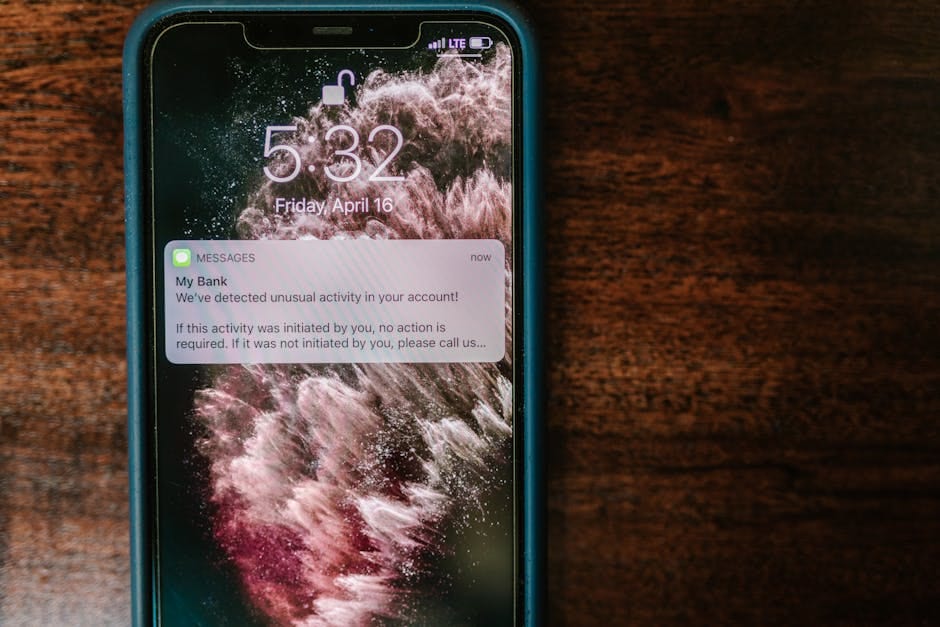

Weekly Recap: Axios Hack, Chrome 0-Day, Fortinet Exploits and Paragon Spyware
If you only read one thing: This week showed how fast a small flaw or tampered package can turn into broad, active risk.
As of April 6, 2026: As of April 6, 2026, the recap points to active exploitation across common software and security tools.
What happened
This week followed a grim pattern: trusted software and security tools were hit by tampering, zero-days, and active exploitation. The Axios issue pointed to supply-chain risk.
The Chrome 0-day showed how quickly a browser flaw can turn into real-world exposure. Fortinet exploitation and Paragon spyware added pressure on defenders from two different angles: edge devices and mobile surveillance.
The mix matters because it is not one failure mode. It is several. A browser zero-day can expose credentials, session data, and internal apps. A Fortinet bug can open a path into the network perimeter.
Spyware changes the privacy picture entirely. The target is not just data in transit but the device itself.
Short version: the week was about trust being abused at multiple layers. That is why these alerts travel fast through incident response teams. When the tools people rely on most are the ones under attack, operational security gets harder by the hour.
| Item | Risk type | Why it matters |
|---|---|---|
| Axios issue | Tampering | Supply-chain trust breaks down |
| Chrome 0-day | Active exploitation | Browser users face immediate exposure |
| Fortinet exploitation | Perimeter abuse | Network entry points get targeted |
| Paragon spyware | Intrusive surveillance | Device privacy becomes the issue |
For the Chrome 0-day specifically, the urgency is clear in Google’s release process and in the wider exploitation tracking that feeds into Google Chrome Releases and the CISA Known Exploited Vulnerabilities Catalog. When a flaw lands in those channels, the clock is already running.
For the recap that pulled these threads together, see The Hacker News weekly recap. Last reviewed: April 6, 2026
Why it matters
A supply-chain tampering incident does not stay small for long. If attackers slip code into a trusted package or update path, the blast radius can move through dependencies and into downstream systems that never touched the original target.
That is what makes a Chrome 0-day so sharp-edged. Zero-days are flaws with no public fix at first, so defenders get less time to patch and less time to validate exposure. CISA’s Known Exploited Vulnerabilities Catalog is useful here because it shows how quickly a bug can move from theory to active abuse.
The practical takeaway is simple: if a trusted tool is compromised, it can become the fastest route into an environment.
Perimeter gear raises the stakes again. When attackers exploit Fortinet devices or similar edge systems, they may land near multiple internal services at once. In our assessment, the combination of active bugs and already-open attack paths is what makes this week stand out.
That matters because trust is the shortcut. Tools people install, update, and monitor every day often give attackers the cleanest entry point, especially when the flaw is already being used in the wild. For vendor-side context, see the Google Chrome release notes.
Last reviewed: April 6, 2026
What to watch next
The next few days should tell defenders whether this Chrome 0-day is being used beyond the first wave. The key question is simple: do your affected versions still exist anywhere?
Start with patch status. Verify Chrome channels on desktops, managed laptops, and any embedded browser builds. Browser updates move fast, but stale endpoints do not.
Then check internet-facing appliances. Fortinet-style edge devices, proxy layers, and file-transfer systems deserve extra scrutiny because attackers often pivot through them first. Confirm whether vulnerable firmware or exposed services are still reachable from the public internet.
Dependency integrity matters too. Review package hashes, extension inventories, and update sources for signs of tampering. If a trusted component changed outside normal maintenance, treat that as a signal, not noise.

Spyware indicators are the other watch item. Look for unusual browser crashes, new persistence, odd outbound connections, and endpoint alerts tied to credential theft or process injection. The data suggests these campaigns often start quietly.
- Confirm whether affected Chrome versions are present.
- Check exposure on internet-facing appliances and edge services.
- Validate dependency integrity and update sources.
- Review browser update cadence across managed devices.
- Scan for spyware-like behavior and suspicious outbound traffic.
For vendor context, track the Google Chrome release notes and watch incident telemetry for repeat hits on the same hosts. Last reviewed: April 6, 2026
Readers often ask
Readers often ask: What is a Chrome 0-day, in plain terms?
Readers often ask: Why does active exploitation matter?
Readers often ask: What should IT verify first after this week’s alerts?
Readers often ask: How is the Axios hack related to Chrome 0-day?
Readers often ask: Is Chrome 0-day still a risk on public Wi-Fi?
Readers often ask: How are Fortinet exploits and Chrome 0-day connected?
Readers often ask: How is Paragon spyware related to Chrome 0-day?
Readers often ask: What does RFC guidance have to do with this?
Last reviewed: April 6, 2026